
Mallorca as a Base, Menorca and Formentera as Alternatives
But Mallorca is not the only option. Menorca and Formentera share the same Mediterranean light and coastline, yet express them in very different ways. Quieter, sometimes wilder, sometimes more minimal. Not alternatives in the sense of substitutes, but destinations in their own right. Three islands, one sea — and three distinct rhythms that invite you to slow down, explore and experience.
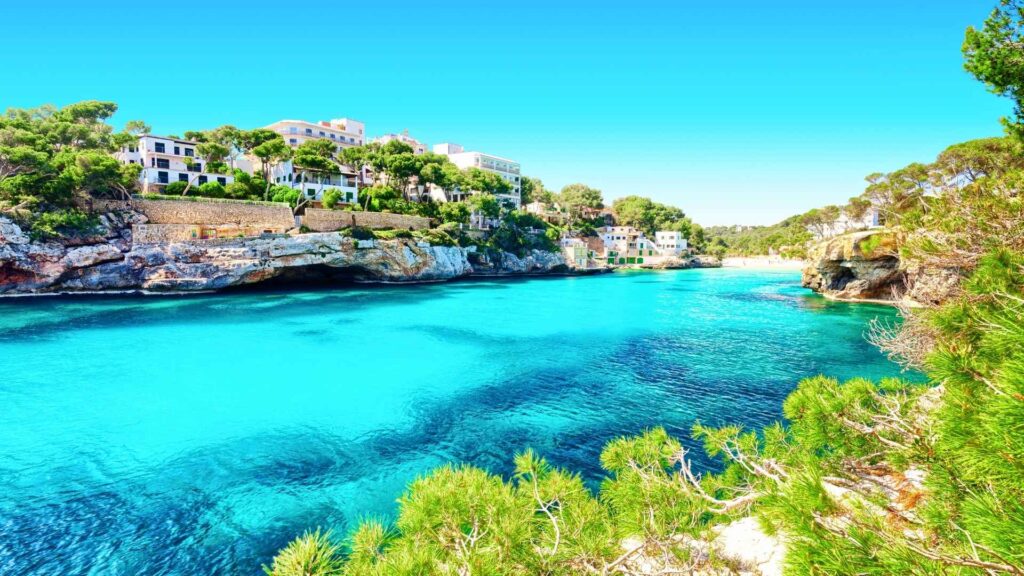
Mallorca
Experience: Walk Tramuntana trails, enjoy cafés in Sóller, swim at Cala Deià and dine slowly overlooking the sea.
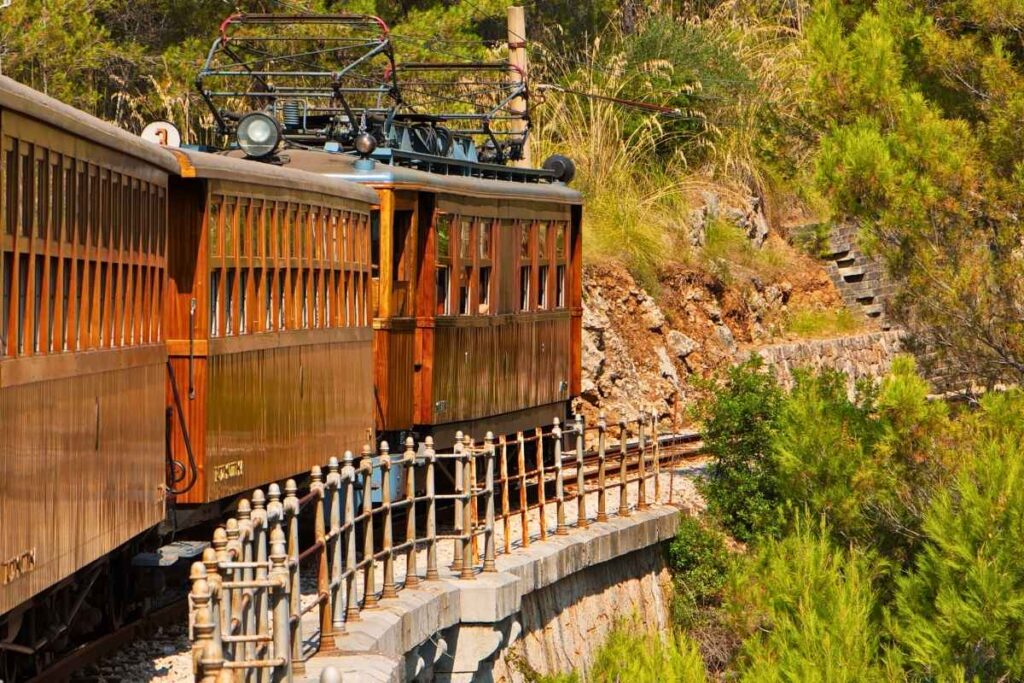
Tip: Take the vintage train to Sóller, rent a car for hidden spots or explore coastal paths on foot.
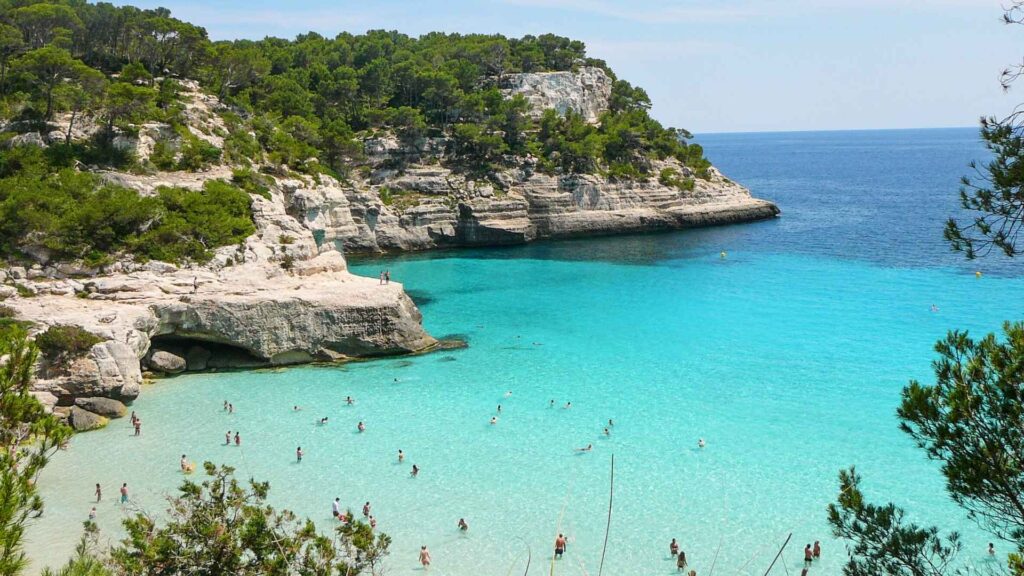
Menorca
Experience: Kayak hidden bays, walk or cycle the Camí de Cavalls, visit local markets and enjoy simple island cuisine.
Tip: Explore slowly by bike, on foot or by kayak to experience the island without rushing.
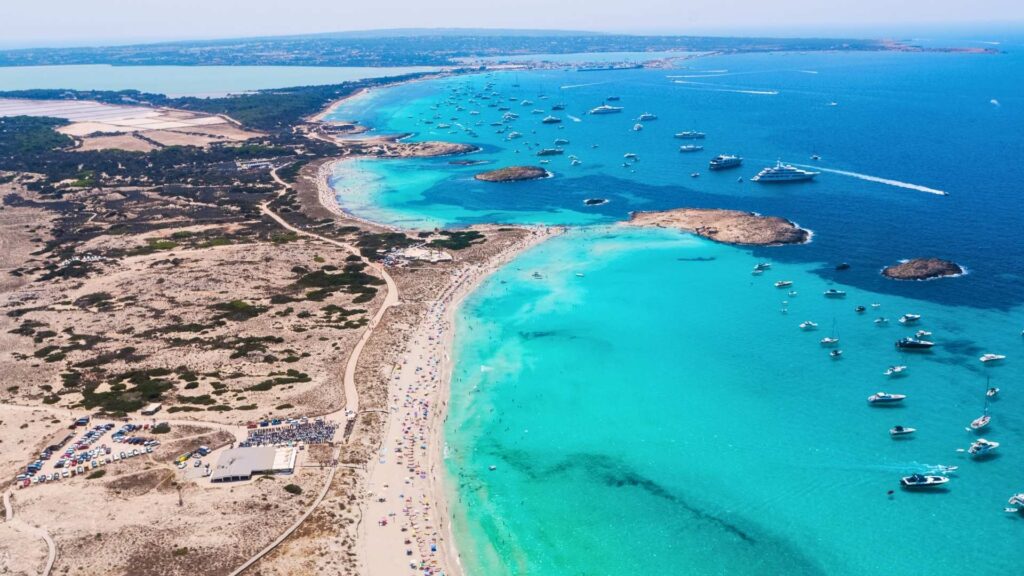
Formentera
Experience: Swim in clear water, cycle sandy paths, enjoy slow mornings and sunset dinners by the sea.
Tip: Explore by bike or scooter for a more intimate and relaxed experience.
Mallorca Sóller Deià: Mountains, Culture and Mediterranean Views
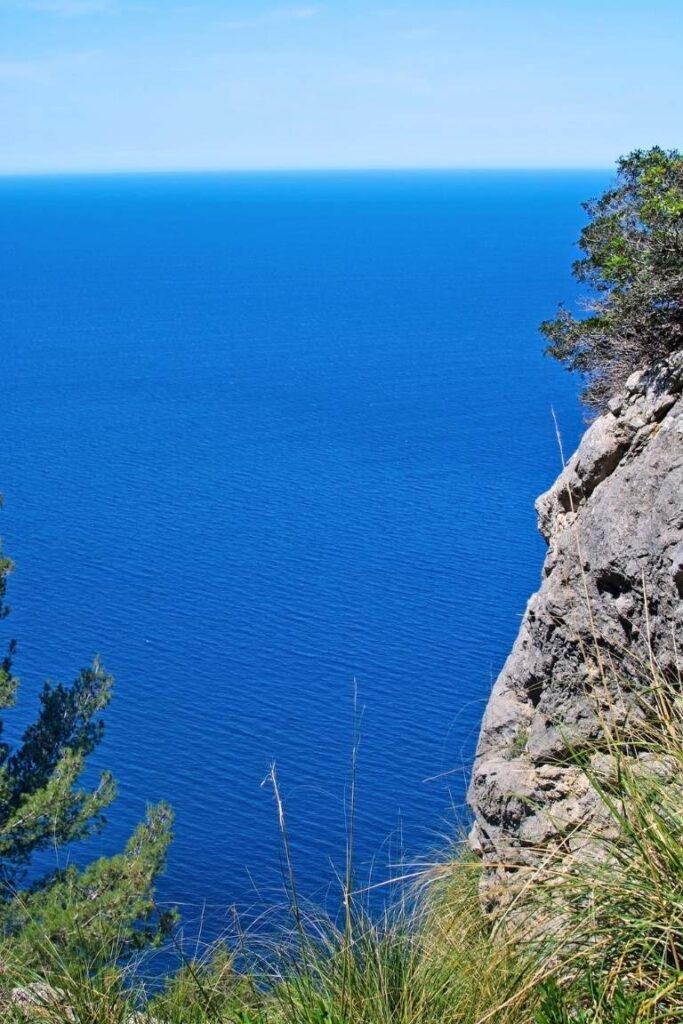
Mallorca is an island that constantly reinvents itself. Nowhere is that more evident than in the Serra de Tramuntana, where Sóller and Deià feel like natural focal points. Here, the landscape sets the pace. Mountains catch the changing light, the sea shimmers in the distance and daily life unfolds slowly and intuitively.
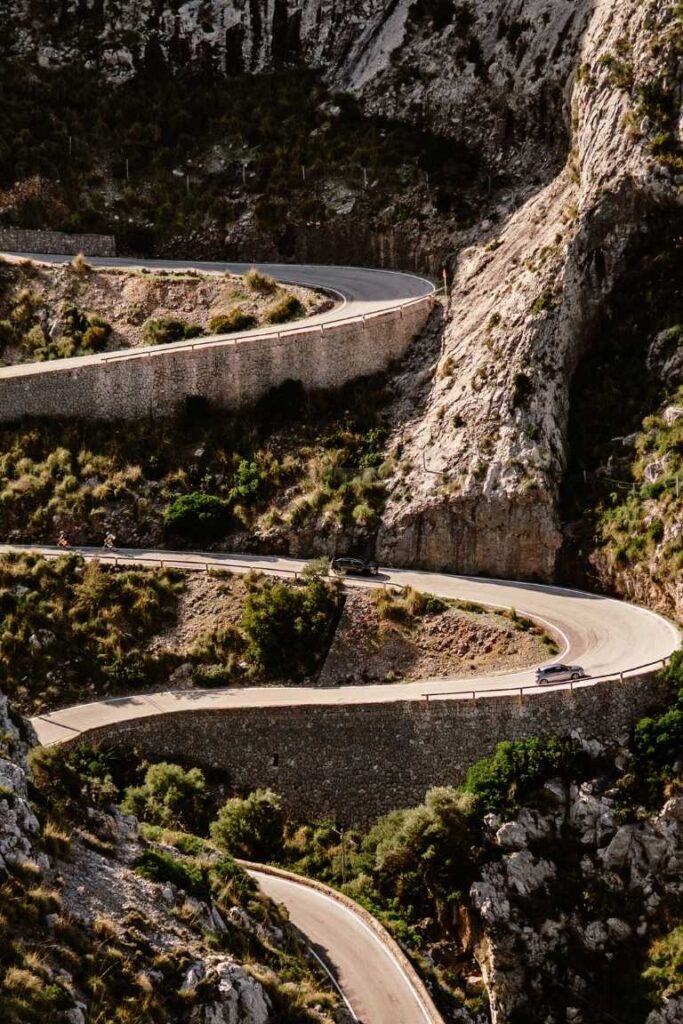
Where Mountains Meet the Sea
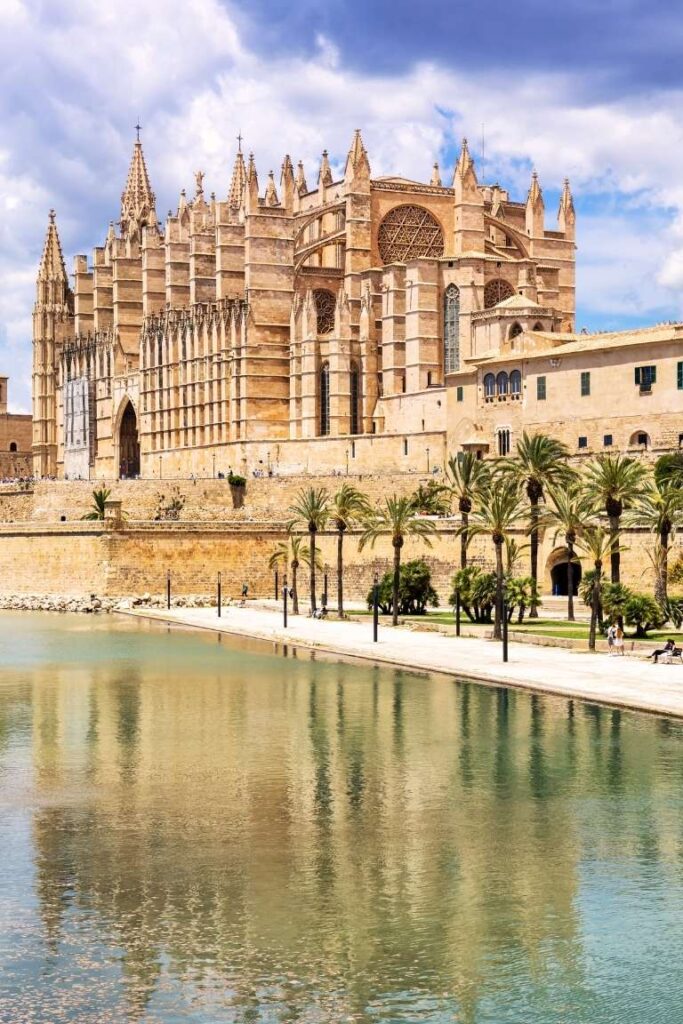
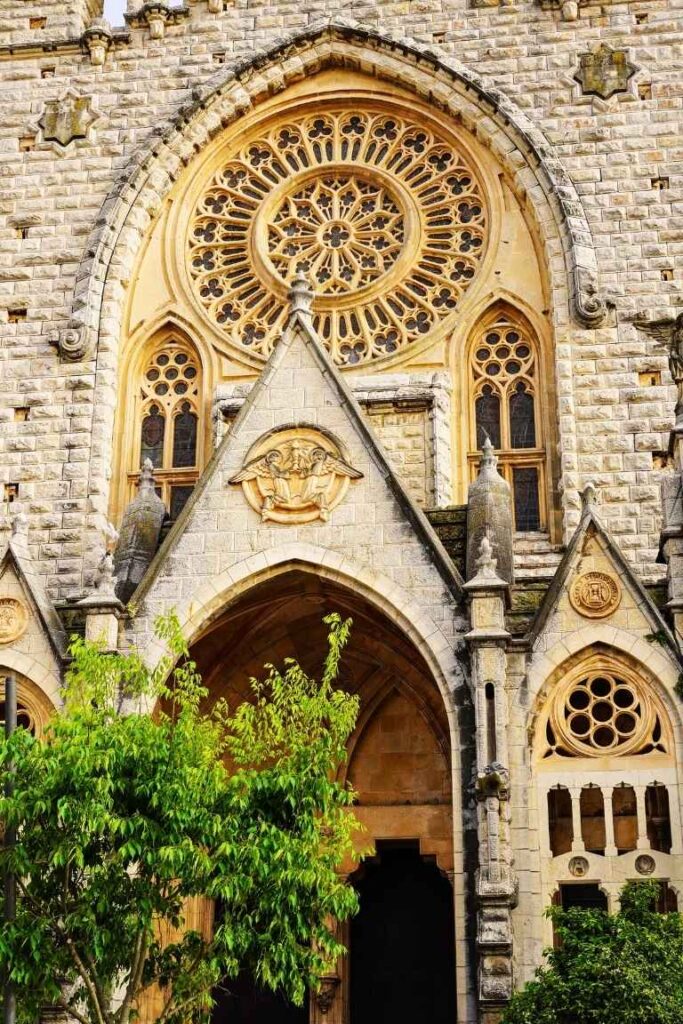
The journey to Sóller is part of the experience. From Palma, the road winds through tunnels and mountain passes before opening into a valley filled with citrus groves. Sóller itself feels sheltered and intimate, centred around a lively square lined with cafés and galleries. The modernist Sant Bartomeu church reflects a past shaped by trade and cultural exchange, while the historic wooden tram to Port de Sóller reinforces a slower rhythm.
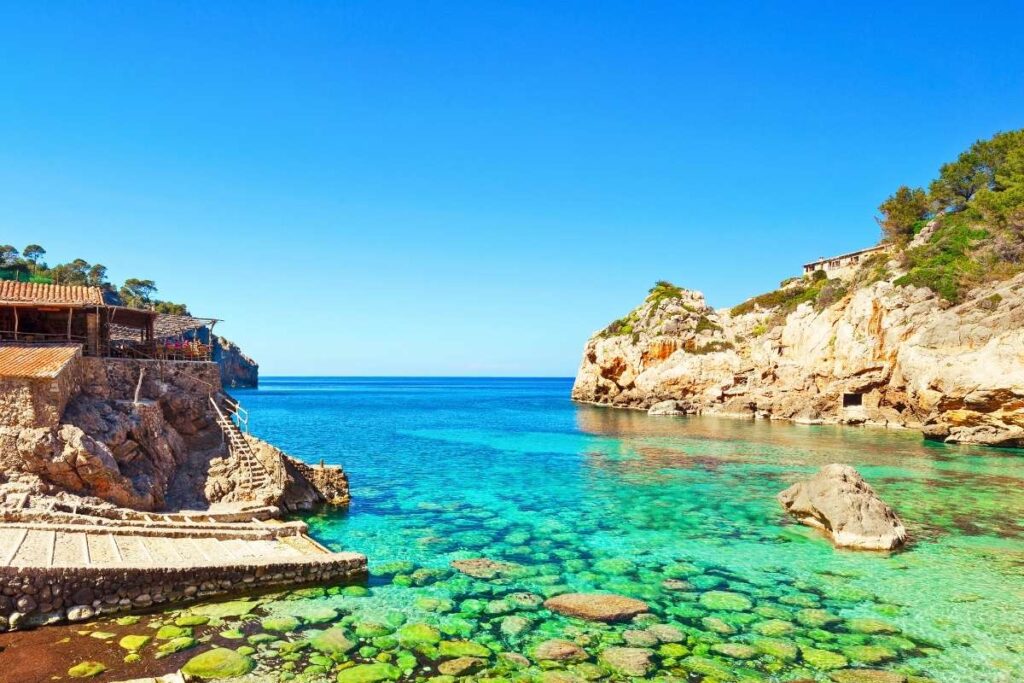
Deià sits higher up, nestled into the mountains. Small in size but rich in atmosphere, it draws visitors not through energy, but through stillness. Stone houses seem to grow from the landscape, with terraces overlooking the sea. Walking paths lead to hidden coves such as Cala Deià, where swimming feels more like a ritual than an activity.
Walking, Culture and Slow Mediterranean Living
Life in this part of Mallorca takes place outdoors. Mornings begin with coffee in the shade, followed by walks along historic trails connecting villages across the Tramuntana. Olive groves, dry stone walls and sudden sea views define the experience.
Culturally, the region feels layered rather than curated. The former home of Robert Graves in Deià offers atmosphere rather than explanation, while Sóller’s small galleries are often housed in historic buildings. Evenings revolve around food — simple, local dishes based on fresh fish, seasonal vegetables and wines from nearby producers.
Who This Region Suits
This region feels active without being rushed. It suits travellers who enjoy movement but also value comfort, culture and good food. Spring and early autumn are particularly rewarding, with soft light, quiet trails and long evenings.
Accessibility and Accommodation
Mallorca is the most accessible of the three islands. Palma Airport provides easy connections, and from there the Tramuntana region is within reach by car or historic train.
Accommodation in this area tends to be characterful and refined. Boutique hotels in Sóller and intimate guesthouses in Deià blend naturally into the landscape, often set in restored fincas or historic homes. Comfort is understated, with a focus on atmosphere, space and connection to the surroundings.
Menorca Island: Quiet Nature, Beaches and Slow Travel
For those familiar with Mallorca but seeking a quieter version of the Mediterranean, Menorca offers a natural progression. The island shares the same clarity of light and sea, but moves at a slower, more inward pace.
Villages and Landscape: Space, Simplicity and Balance
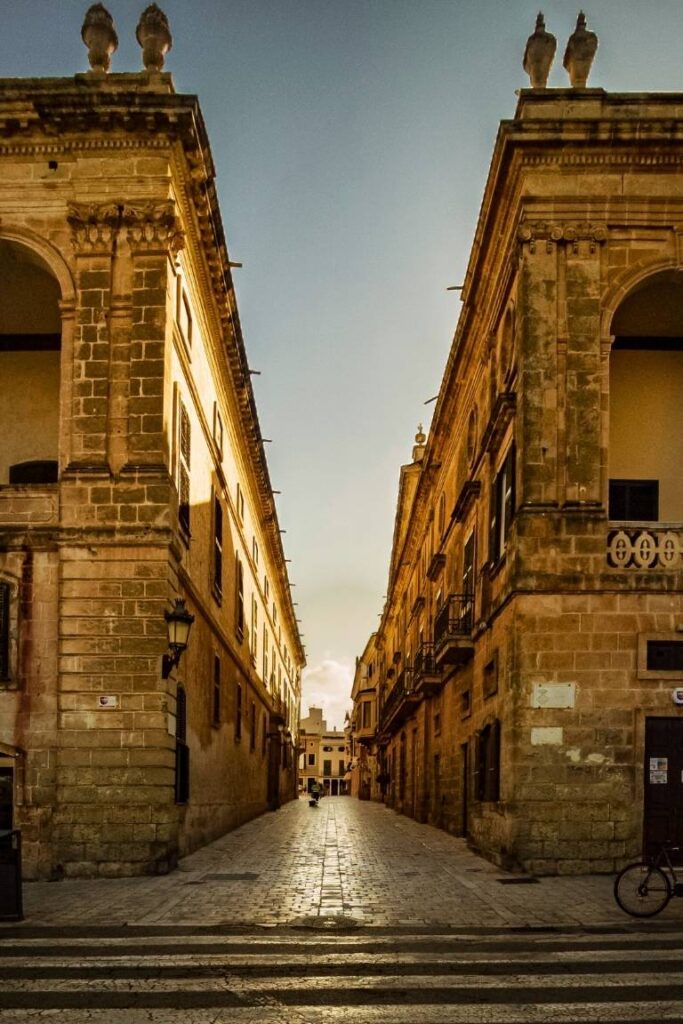
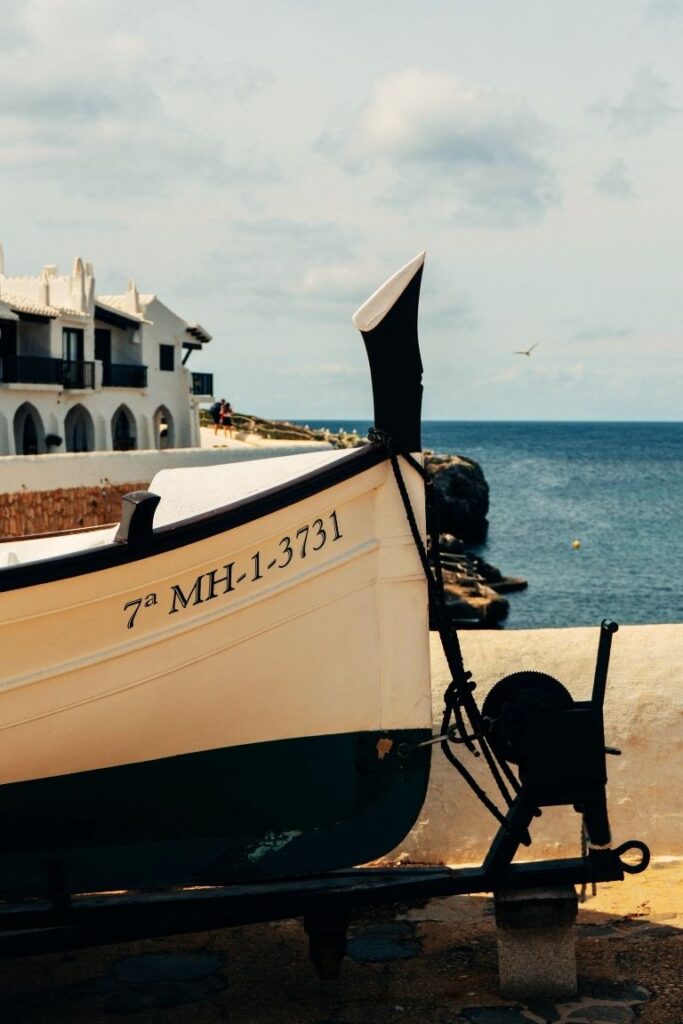
Ciutadella forms the historic heart of Menorca, with narrow streets leading to calm squares where daily life unfolds at an unhurried pace. Its harbour is modest, lined with restaurants that overlook the water without feeling crowded.
Further inland, villages such as Es Mercadal and Alaior reflect a rhythm shaped by local markets and community life. The landscape is more open than Mallorca’s, with rolling hills rather than mountains and long, uninterrupted views.
The Camí de Cavalls, a historic coastal path encircling the island, connects beaches, cliffs and farmland. Walking or cycling here feels like reading the landscape rather than conquering it.
Beaches and Food: Simplicity and Authentic Flavours
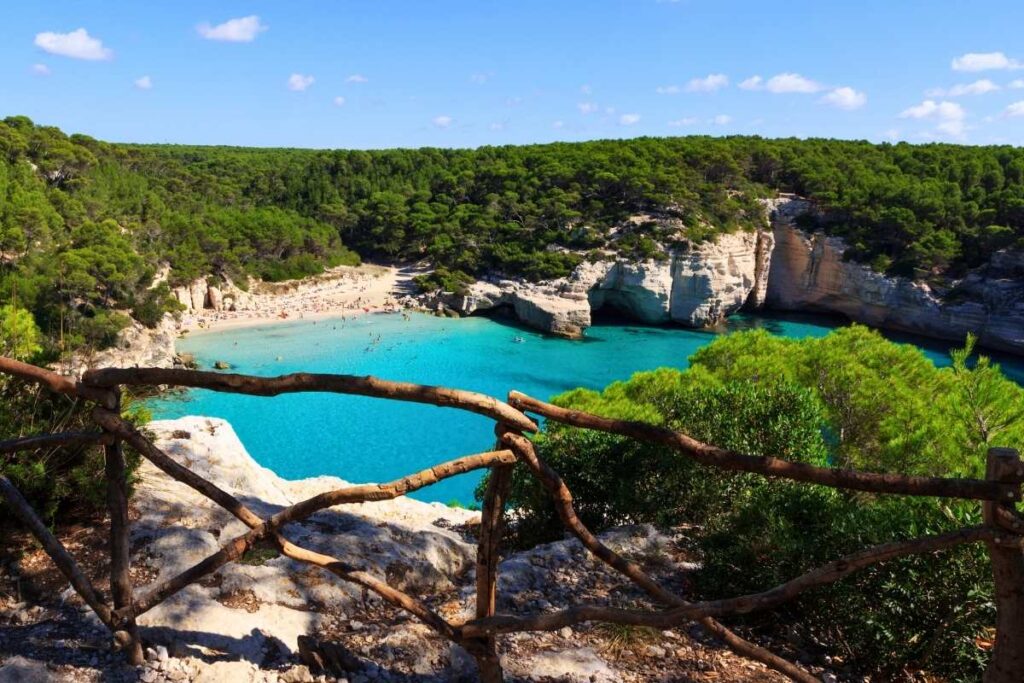
Menorca’s coastline is defined by small, intimate coves such as Cala Mitjana and Cala Macarella, often reached by short walks. The water is clear and calm, ideal for swimming and kayaking.
The cuisine reflects the island’s understated character. Local cheeses, cured meats and fresh fish form the foundation of meals. Dining is relaxed and unhurried, with a focus on quality and simplicity rather than presentation.
Menorca Travel Style: Relaxed, Intuitive and Uncomplicated
Menorca is easy to navigate. Distances are short, roads are quiet and the island feels accessible without being busy. Travel here is about attention rather than efficiency — stopping along the way, taking in the landscape and allowing time between destinations.
Accommodation reflects this approach. Rural agroturismo stays, small hotels and restored farmhouses offer privacy and connection to the environment. Luxury here is defined by silence, space and views.
Formentera: Minimalism, Sea and Pure Relaxation
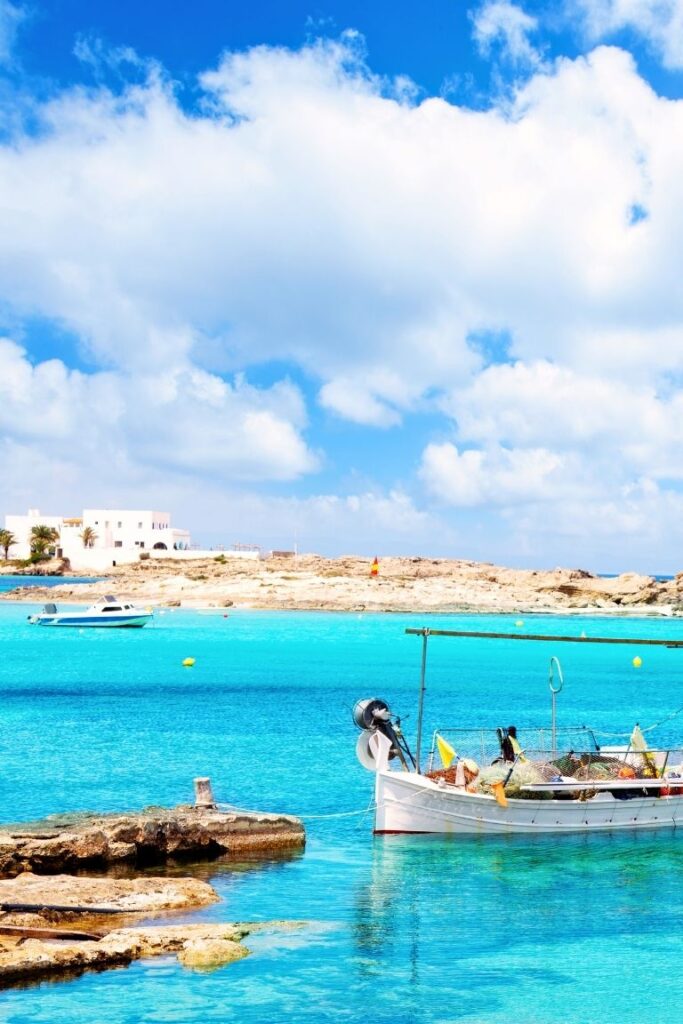
Formentera lies further south, closer to the horizon than to any sense of urgency. It is small, but its simplicity creates a powerful experience. Where Mallorca and Menorca offer variety, Formentera focuses on essentials: light, sea and time.
Open Horizons and Endless Beaches
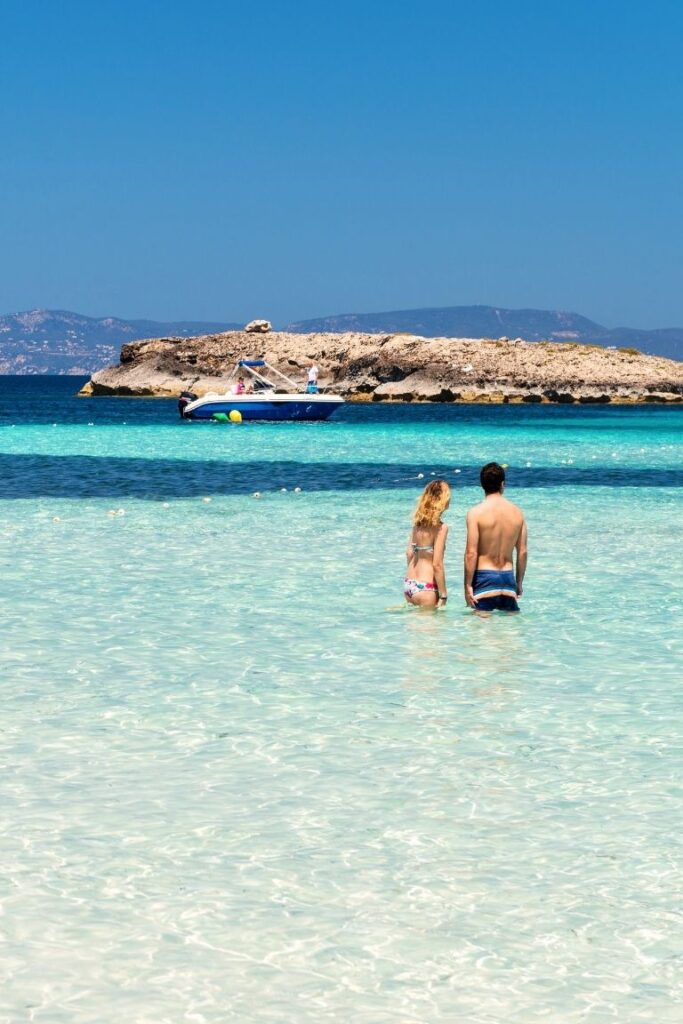
The island is flat and almost minimal in design. Sandy tracks run past fig trees and low stone walls, while beaches stretch uninterrupted for kilometres. Playa de Migjorn offers space and calm, while Ses Illetes stands out for its striking turquoise water.
The sea is always nearby, never overwhelming, always inviting. Days follow the rhythm of light — bright mornings, slow afternoons and warm, golden evenings.
Less Doing, More Experiencing
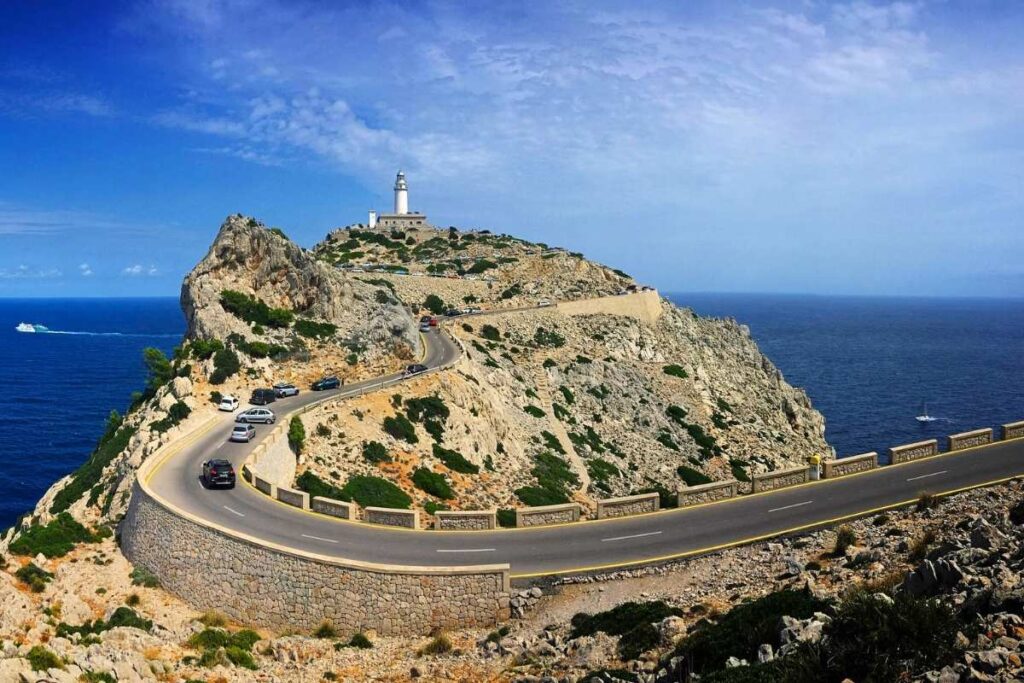
Activities are simple but meaningful. Snorkelling in shallow waters, cycling to Cap de Barbaria lighthouse or enjoying long lunches by the sea define the experience.
Cultural elements are subtle: small markets, local crafts and quiet music in the evening. Formentera appeals to travellers who consciously choose fewer distractions.
Formentera Travel Tips
Reaching Formentera requires an extra step, usually via ferry from Ibiza, which adds to the sense of arrival. There is no airport, and distances are short.
Bikes and scooters are the preferred way to get around, fitting naturally with the island’s scale and landscape. Travel feels immediate and sensory — wind, salt air and sunlight are part of every journey.
Formentera Accommodation: Simple, Light and Connected to Nature
Accommodation on Formentera reflects its minimalist identity. Small hotels, apartments and whitewashed houses blend into the surroundings. Design is light, functional and focused on outdoor living.
Large resorts are rare. Instead, stays feel personal and understated — places to return to after a day shaped by sea, sun and quiet.
Key Differences and Similarities
Mallorca, Menorca and Formentera share the same sea and Mediterranean light, yet their character differs significantly. Mallorca offers depth and diversity, combining mountains, culture and gastronomy. Menorca presents a quieter, more spacious version of that experience. Formentera is the most minimal, centred on simplicity and stillness.
Which Balearic Island Should You Choose?
Mallorca suits travellers seeking variety, culture and a balance between activity and comfort. Menorca appeals to those looking for calm, space and a slower rhythm. Formentera is ideal for travellers who value simplicity, openness and a strong connection to nature.
Best Time to Visit
Each island has its ideal season. Mallorca is at its best in spring and autumn. Menorca shines in late spring and early summer, when landscapes are green and the sea is calm. Formentera is most rewarding outside peak season, when its quiet character fully emerges.
Final Inspiration: Three Islands, One Mediterranean Experience
What connects these islands goes beyond geography. It is a shared sense of light, landscape and life close to the elements. Mallorca, Menorca and Formentera show that travel is not about seeing more, but about experiencing more deeply.
Curious which island best fits your travel style? Let our travel advisor help you find the ideal accommodation and discover which of these three destinations is right for you.