
The Quiet Charm of Apulia, Alentejo and the Peloponnese
Are you looking for a holiday in Southern Europe that offers more than just sun and beaches? If culture, authenticity and a slower pace matter to you, there are three regions that stand out for a more meaningful kind of journey: Apulia in Italy, the Alentejo in Portugal, and the Peloponnese in Greece. Each region has its own rhythm and personality. And yet, they share something essential. A sense of calm. Deep-rooted traditions. Landscapes that invite you to explore without rushing. This is not about ticking off highlights, but about experiencing a place as it unfolds.
Apulia, Italy
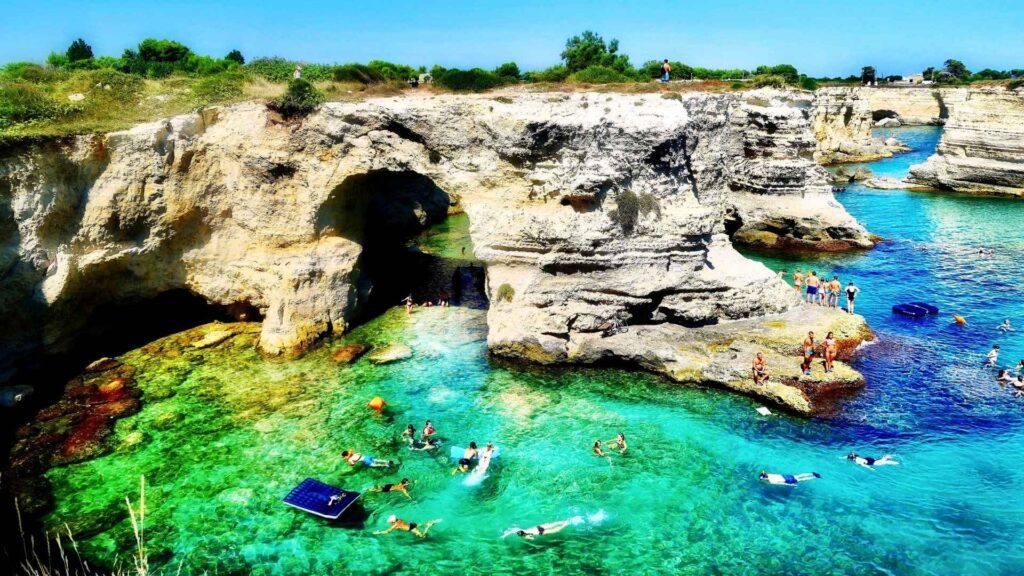
Authentic villages with trulli houses, a varied coastline of cliffs and coves, and a relaxed atmosphere that still feels unspoiled.
Experience: Local olive oil and orecchiette pasta, wandering through white towns like Ostuni, slow days by the Sea.
Tip: Combine a stay inland with a few days by the coast to experience Apulia in all its diversity.
Alentejo, Portugal
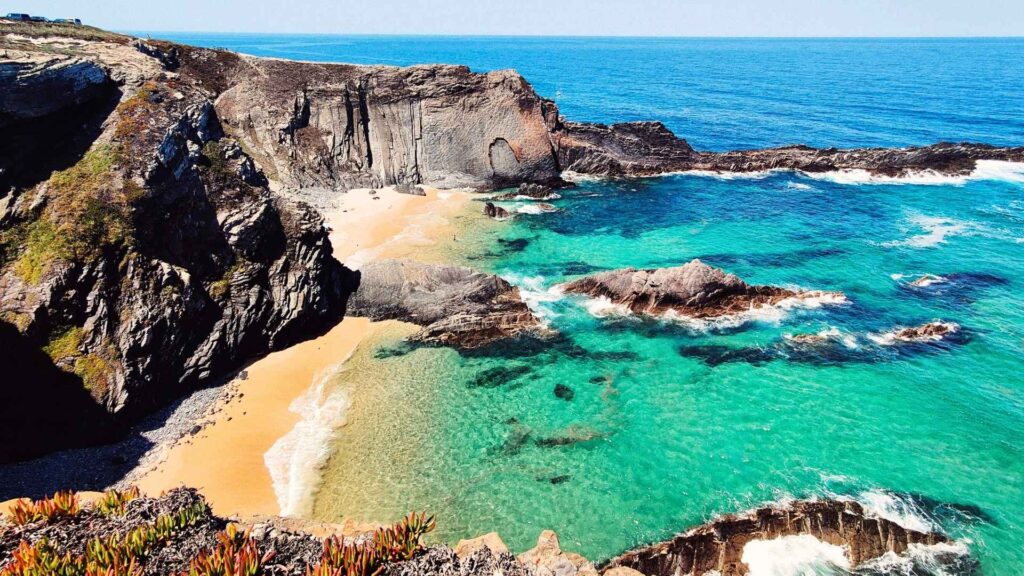
A quiet and lesser-known alternative to the Algarve, defined by rolling hills, cork forests and whitewashed villages.
Experience: A rugged coastline with surf beaches, wine tastings at small estates, simple restaurants serving fresh fish.
Tip: A rental car allows you to explore both the interior and the Costa Vicentina, creating striking contrasts in a short time.
Peloponnese, Greece
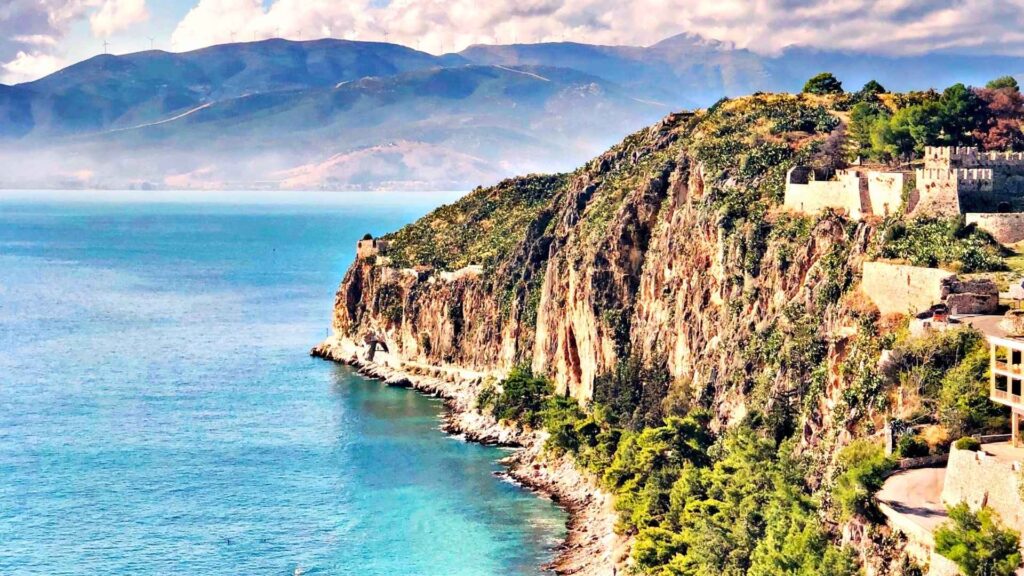
Ancient sites and traditional villages combined with calm beaches and a refreshingly unhurried travel experience.
Experience: Exploring Olympia and Mycenae, dining in seaside tavernas, road trips past olive groves and hidden bays.
Tip: Plan a route that links coast and archaeological sites for a balanced and varied journey.
Apulia: Italy’s Sunlit Heel
From the moment you arrive in Apulia, the landscape sets the tone. Endless olive groves stretch across gently rolling land, their silvery leaves catching the light. There is a sense of space and calm here, as if time moves just a little more slowly.
The coastline runs along both the Adriatic and the Ionian Seas, offering remarkable variety. Around Gallipoli, wide sandy beaches invite long, relaxed days by the water. Near Otranto, small coves hide between rocky cliffs, ideal for those who seek quiet moments and clear, shallow seas. Driving along the coast becomes an experience in itself, with sudden viewpoints, small fishing towns and stretches of untouched shoreline.
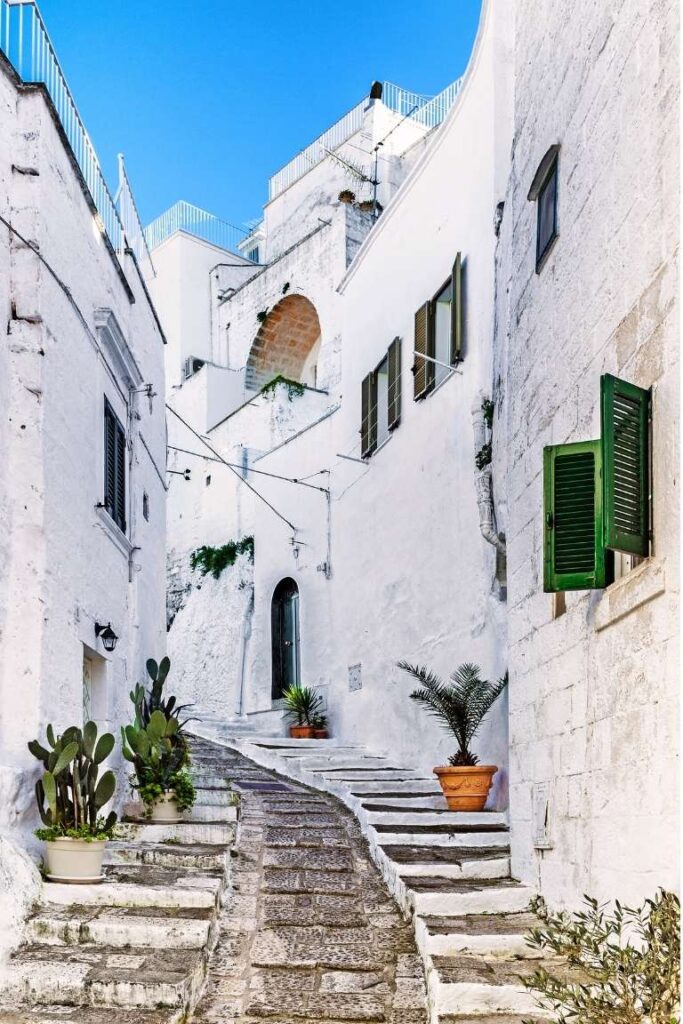
White towns and baroque beauty
In cities such as Lecce, baroque churches and palazzi glow in warm, honey-coloured stone. Walking through the historic centre feels like stepping into an open-air gallery, where details reveal themselves slowly. Small workshops, ceramic studios and shaded courtyards invite you to pause rather than hurry on.
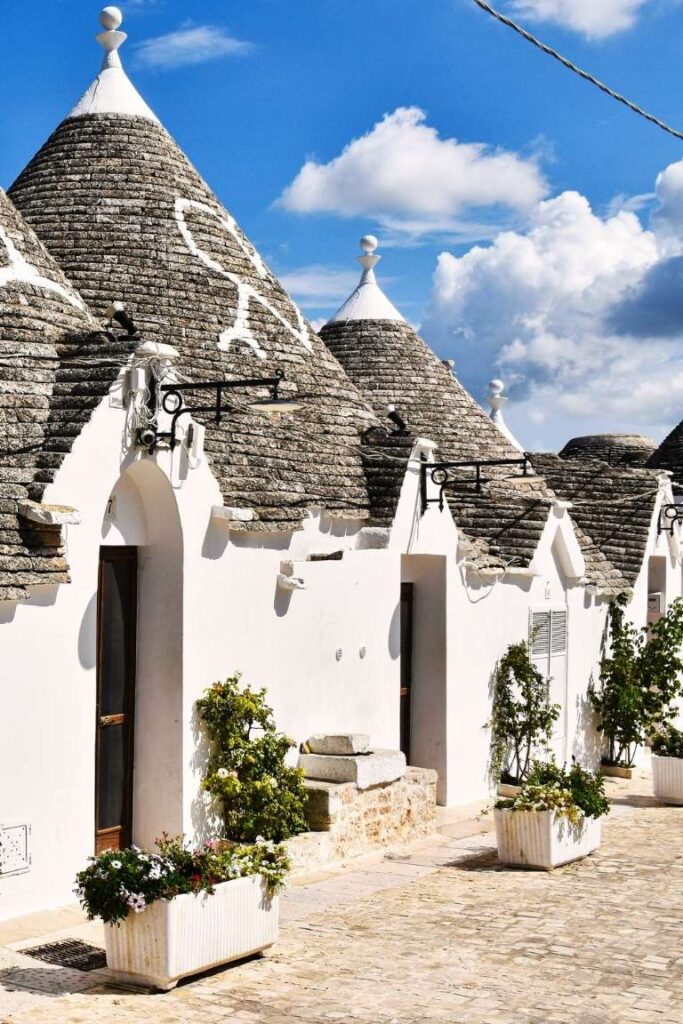
Alberobello’s trulli houses, with their distinctive conical roofs, feel almost otherworldly. Ostuni, often called the “white city”, rises above the surrounding countryside, its narrow streets winding upwards in soft curves. As you wander, glimpses of olive groves and sea appear between whitewashed walls.
Beyond the better-known towns, quieter places reward those who linger. In hilltop Locorotondo, the scent of flowers and fresh bread drifts through the streets. On summer evenings, music blends with conversation as locals gather outside. In Polignano a Mare, houses cling dramatically to the cliffs above turquoise water, while inland villages offer a glimpse of everyday life shaped more by seasons than by tourism.
Morning, midday, evening: a daily rhythm
Early mornings in Apulia are gentle. The sun rises low over the olive trees, cafés open their doors, and espresso cups clink softly on marble counters. Markets fill with tomatoes, figs and freshly baked bread, while greetings are exchanged as naturally as the shopping itself.
Lunch is rarely rushed. Focaccia emerges warm from the oven, birds circle over the fields, and conversations stretch on. As evening falls, village squares come alive. Children play, neighbours talk, and travellers find themselves adapting to the local rhythm rather than imposing their own.
Culture and history in Apulia
Apulia carries the traces of many civilisations. At Castel del Monte, the mysterious octagonal castle, the Middle Ages feel close at hand. In Brindisi, you stand where travellers once departed for distant lands.
In the countryside, old masserie — fortified farmhouses — have been transformed into atmospheric places to stay, blending heritage with comfort. Just beyond the regional border, the cave dwellings of Matera reveal another layer of history carved into stone. Greek, Roman, Arab and Norman influences have all left their mark, creating a rich and varied cultural landscape.
Orecchiette, burrata and olive oil
Food in Apulia reflects the land itself. In small tavernas, you taste dishes rooted in simplicity: handmade orecchiette, creamy burrata, olive oil that is more than an ingredient — it is part of local identity. Fresh fish, grilled vegetables and crisp taralli appear on tables without ceremony.
The wine regions of Manduria and Salento are known for bold Primitivo reds, but also for fresh white wines suited to warm evenings. Eating here is not just about nourishment. It is about sharing, savouring and connecting with the place.
Practical tips for Apulia
Apulia is easily reached via Bari or Brindisi. A rental car makes it easier to explore smaller towns and hidden corners. Spring and autumn offer ideal conditions: warm temperatures without the peak-season crowds. Many historic centres are car-free, so light luggage is often practical.
Discovering the Alentejo: Portugal’s Quiet Heart
Driving south from Lisbon into the Alentejo, the landscape opens up almost immediately. Wide plains, cork oak trees and gentle hills stretch towards the horizon. Whitewashed villages stand out against the light, simple and unpretentious. This is a region that does not rush.
In spring, the fields glow with green and yellow. In summer, a golden haze settles over the hills. Mornings begin with fresh air and birdsong, evenings with long shadows and soft light. The Alentejo invites you to slow down, to notice small details, and to enjoy space and silence.
Coastline and towns
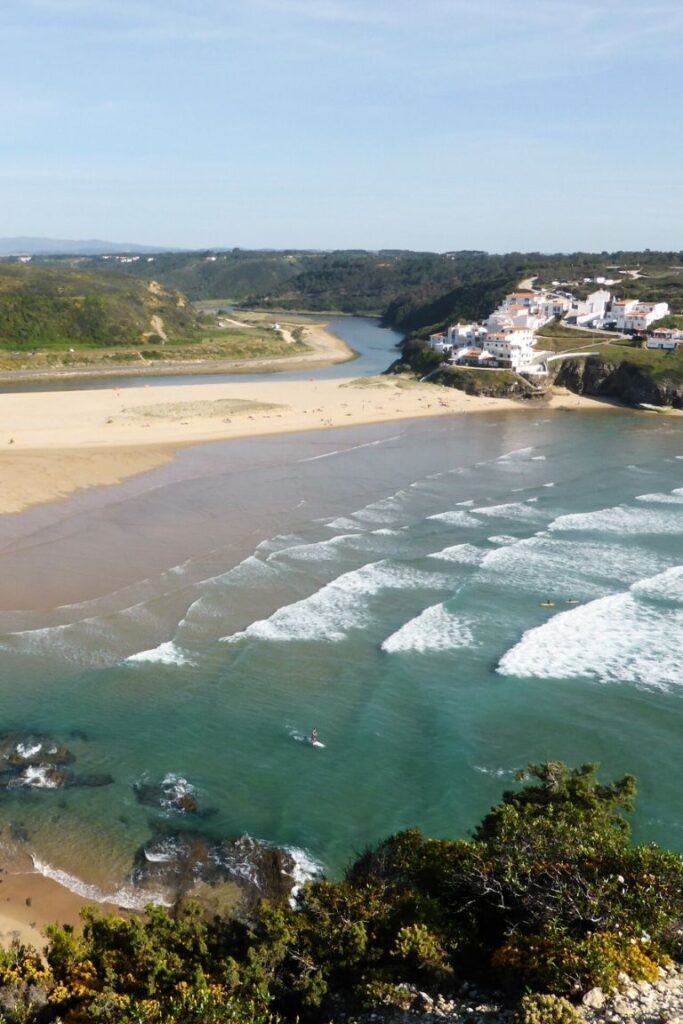
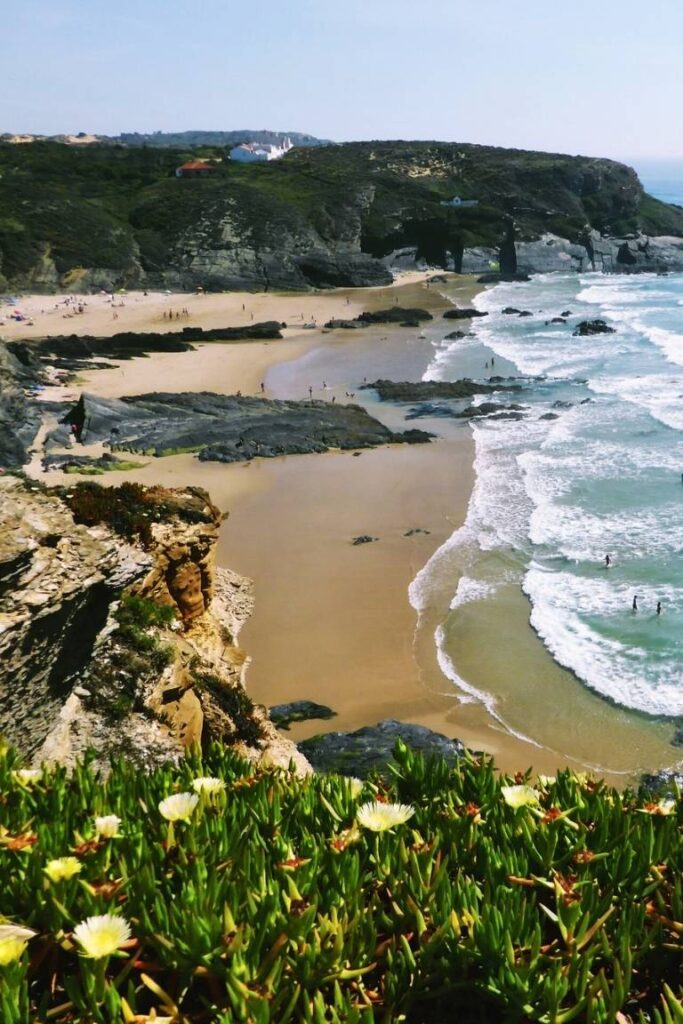
The coastline is raw and powerful. At Zambujeira do Mar, Atlantic waves crash against dark rocks. Odeceixe surprises with a sheltered bay where river and sea meet. The entire western coast forms part of the Southwest Alentejo and Vicentine Coast Natural Park, a mosaic of cliffs, dunes and walking trails.
Inland, the atmosphere shifts. Évora, the region’s capital, layers history in a compact centre: a Roman temple, a Gothic cathedral, shaded squares lined with orange trees. History here feels tangible, woven into everyday life.
In hilltop villages like Monsaraz and Marvão, time seems almost suspended. From castle walls, views stretch across vineyards, olive groves and lakes. The silence is deep and calming. As evening approaches, the smell of bread and grilled fish drifts through narrow streets, inviting unhurried walks.
Culture and way of life
The Alentejo preserves traditions that reach far back. Megalithic stone circles stand quietly in the landscape, witnesses to ancient rituals. In small cafés, slow, melodic singing fills the room, adding to the region’s introspective mood.
Craftsmanship remains important. Handwoven rugs from Arraiolos, ceramics from Redondo, and cork products made with care reflect a strong connection to material and place. The cuisine mirrors this balance of simplicity and depth: hearty stews, bread soups, local cheeses, robust wines and fragrant honey. Meals are meant to be enjoyed slowly. Life, too.
Practical tips for the Alentejo
The Alentejo is accessible via Lisbon or Faro. A rental car is almost essential to explore both coast and interior. Spring and autumn are the most comfortable seasons. In summer, inland temperatures can be high, making early mornings ideal for exploration.
The Peloponnese: Myths, Mountains and Sea
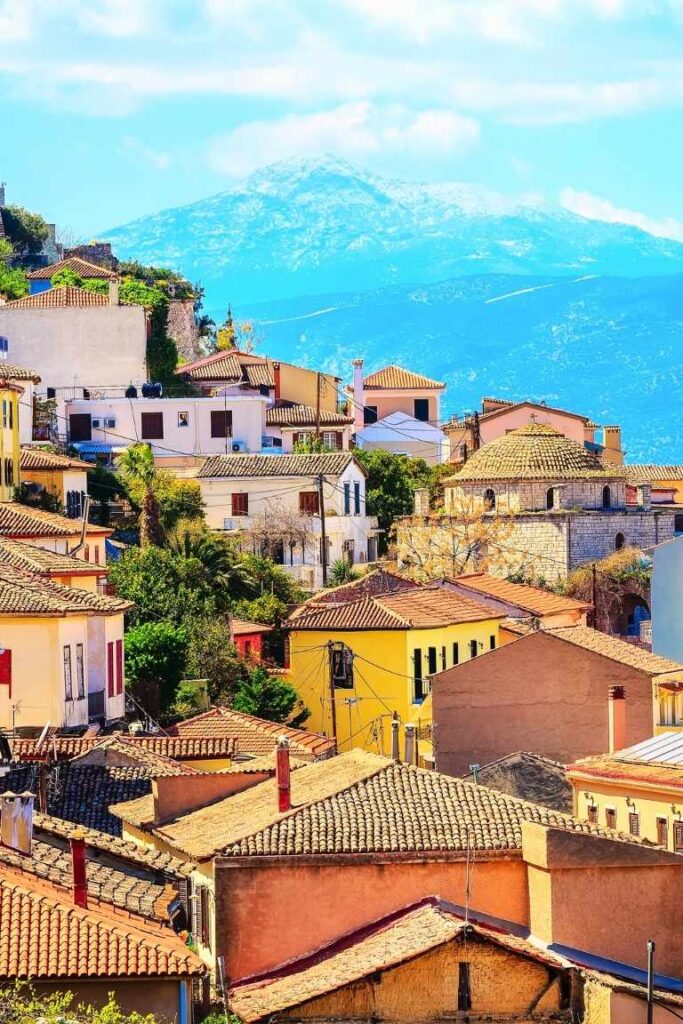
The Peloponnese resists simple definition. Its landscapes shift constantly: rugged mountains, fertile valleys, quiet coves and vast olive groves follow one another in quick succession. This diversity is what makes travelling here so rewarding. A short drive can take you from an ancient archaeological site to an almost empty beach, or from a mountain village to a lively coastal town. The journey itself becomes part of the experience.
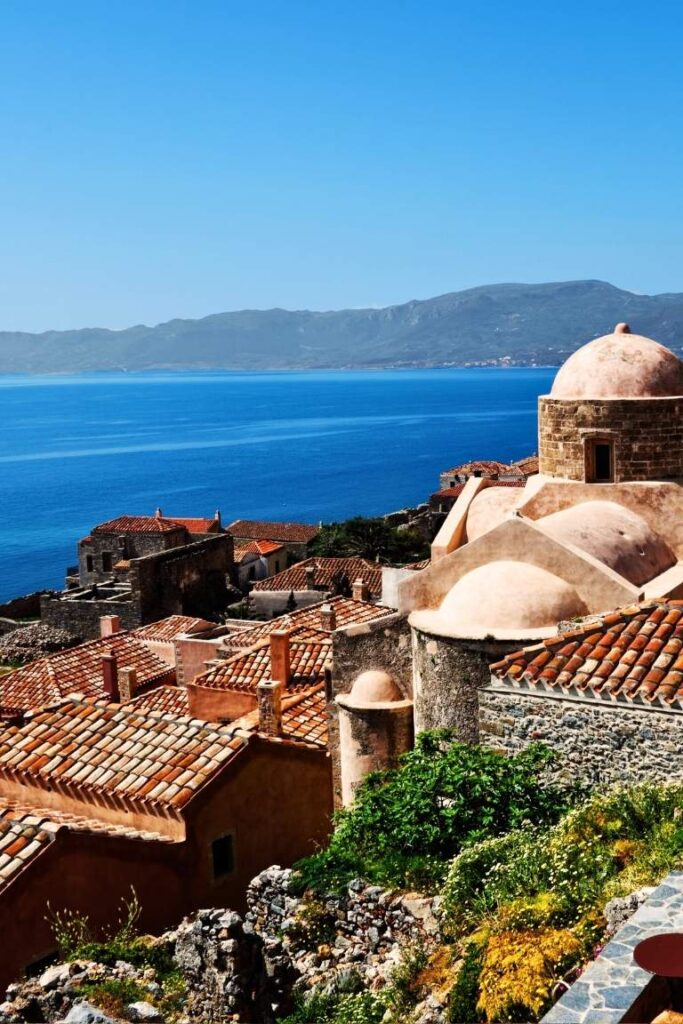
Ancient sites and living history
History here is not confined to museums. In Olympia, you walk among the remains of temples where the Olympic Games began. In Mycenae, the view stretches over land tied to myths, kings and epic stories.
Yet even beyond famous sites, the past is present everywhere: in Byzantine churches, medieval fortresses, old stone bridges and abandoned watchtowers. What stands out is how naturally these places are integrated into daily life. Children play among ancient walls, older residents sit in the shade of centuries-old stones. Past and present flow into one another.
Villages, daily rhythm and hospitality
In villages such as Dimitsana, Kardamyli or Stemnitsa, life moves at a measured pace. Narrow streets, stone houses and small squares define the scene. In the morning, shutters open; at midday, tavernas fill with quiet conversation.
Hospitality here is not a promise, but a habit. It is not unusual for a host to offer an extra dish or a glass of homemade wine. Conversations unfold naturally, even when words are few.
Beaches, mountains and road trips
The Peloponnese coastline is surprisingly varied. The west offers long sandy beaches and open sea, while the south and east reveal sheltered bays with clear water. Places like Voidokilia, Gialova and Limeni invite you to spend the day without plans — swimming, reading, watching the light change.
In the mountainous interior, winding roads lead through forests and gorges, opening onto viewpoints that invite pauses. Hiking, road trips and spontaneous detours feel like natural parts of the journey.
Practical tips for the Peloponnese
The Peloponnese is easily reached via Athens. A rental car provides the freedom to explore both coast and inland regions. Spring and autumn are particularly pleasant, with mild temperatures, fresh landscapes and a relaxed atmosphere.
Shared qualities and clear differences
What unites these three regions is authenticity. None are shaped by mass tourism. Instead, they invite genuine engagement with place, people and landscape. Whether you wander through Ostuni’s white streets, enjoy a glass of wine in a village café in the Alentejo, or listen to echoes of the past in Epidaurus, a sense of sincerity remains.
And yet, they differ. Apulia feels lively and generous, where sea, culture and cuisine come together. The Alentejo is quiet and expansive, a place to breathe and slow down. The Peloponnese is vast and layered, combining nature, beaches and history on a grand scale.
Which region suits you best?
If you long for sea, culture and culinary pleasure, Apulia may feel like the right fit. If space, calm and an unspoiled landscape appeal to you, the Alentejo offers room to unwind. And if you are drawn to a balance of nature, coastline and ancient stories, the Peloponnese reveals its strength.
Whatever you choose, one thing is certain: travel here becomes an experience again. Not about checking off sights, but about connecting with a place.
Practical notes
For all three regions, the best travel months are May, June, September and October. A rental car offers flexibility and access to smaller villages and hidden beaches. In terms of cost, Apulia and the Alentejo are often slightly more affordable, especially outside peak season. Whether you choose a holiday home, a small villa or a boutique hotel, a relaxed rhythm and genuine hospitality await.
Let yourself be inspired
Sun, culture and tradition guide the way. Whether in the bright light of Apulia, the open landscapes of the Alentejo, or among the myth-filled mountains of the Peloponnese, each region invites you to slow down and rediscover what travel can mean.
Curious where you would get the most from your stay? Let a travel advisor guide you and find accommodation that matches your pace and preferences.